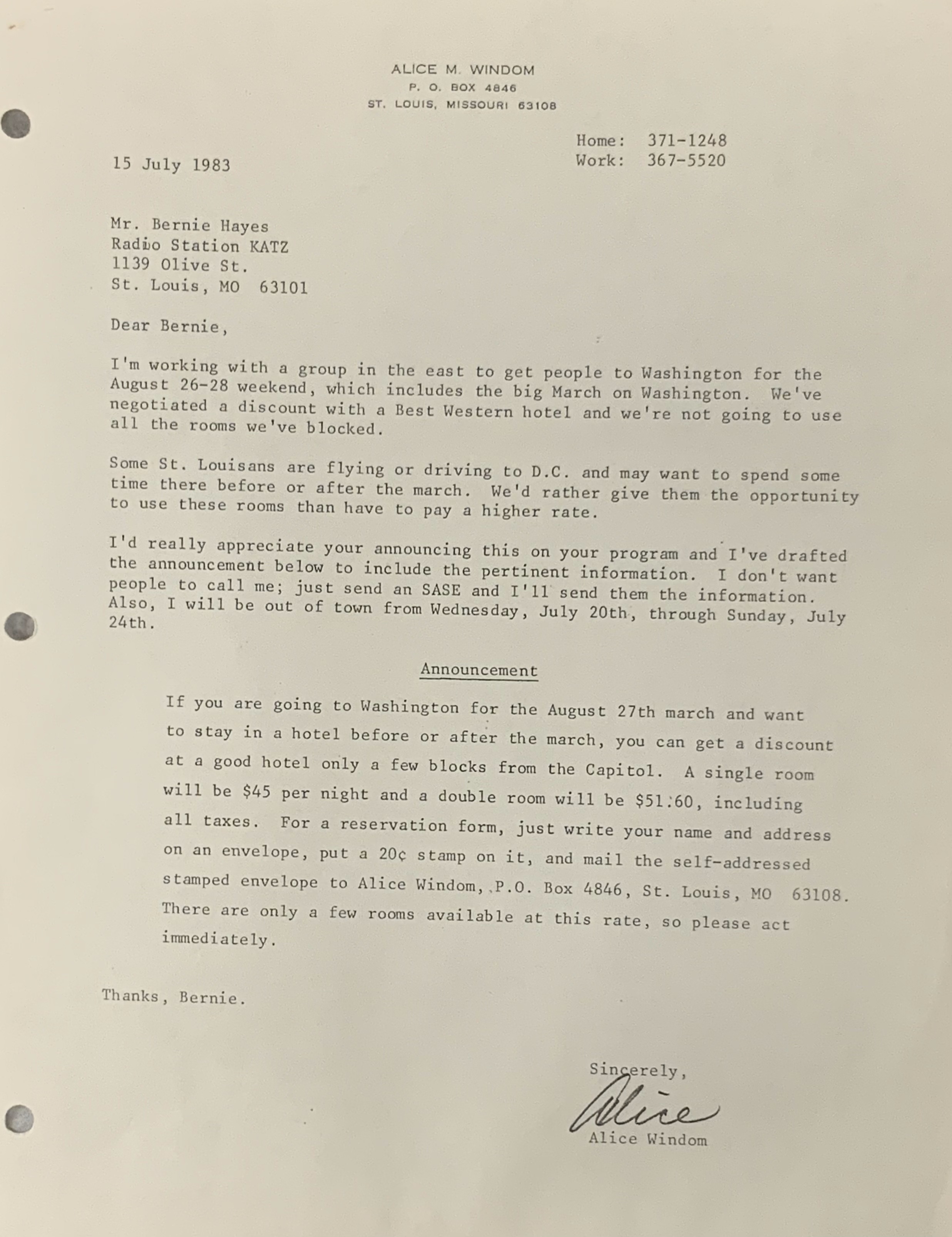
Bernie Hayes: Remembering Alice
Bernie Hayes is a St. Louis media icon, who has spent more than 60 years on the air hosting radio. His pioneering career started when he was in the airforce in the 1950's. He continued the work in his home town of Chicago after achieving a degree in journalism, moved around the country, and eventually to St. Louis. He also built a series of small buisnesses, led strikes for fair pay, worked as a producer, and made his own music. Bernie always felt his radio was an important cultural center for his communities, and he used his platform to educate and uplift people, which often times involved working directly with Alice Windom.
"She had so much knowledge, you know, she was a civil servant, she was a social worker. She took it beyond what you’re taught In school, she took it to the world." Bernie Hayes
Alice Windom lived a life defined by a burning belief in freedom and justice. Learning from her activist parents, she participated in the struggle for Civil Rights through the 1960's, and never gave up on the dream of freedom for Black people in America and Africa. In his interview, Bernie Hayes shared his experience and history with, Alice especially her participation in the struggle against white supremacy and a variety of liberatory causes in St. Louis and around the world.
This page gives a sampling of her life of work and struggle, based on the insights which Bernie provided.
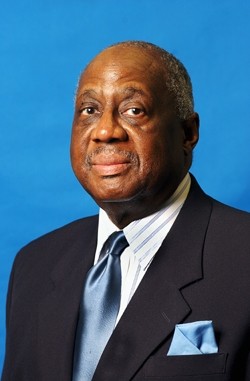
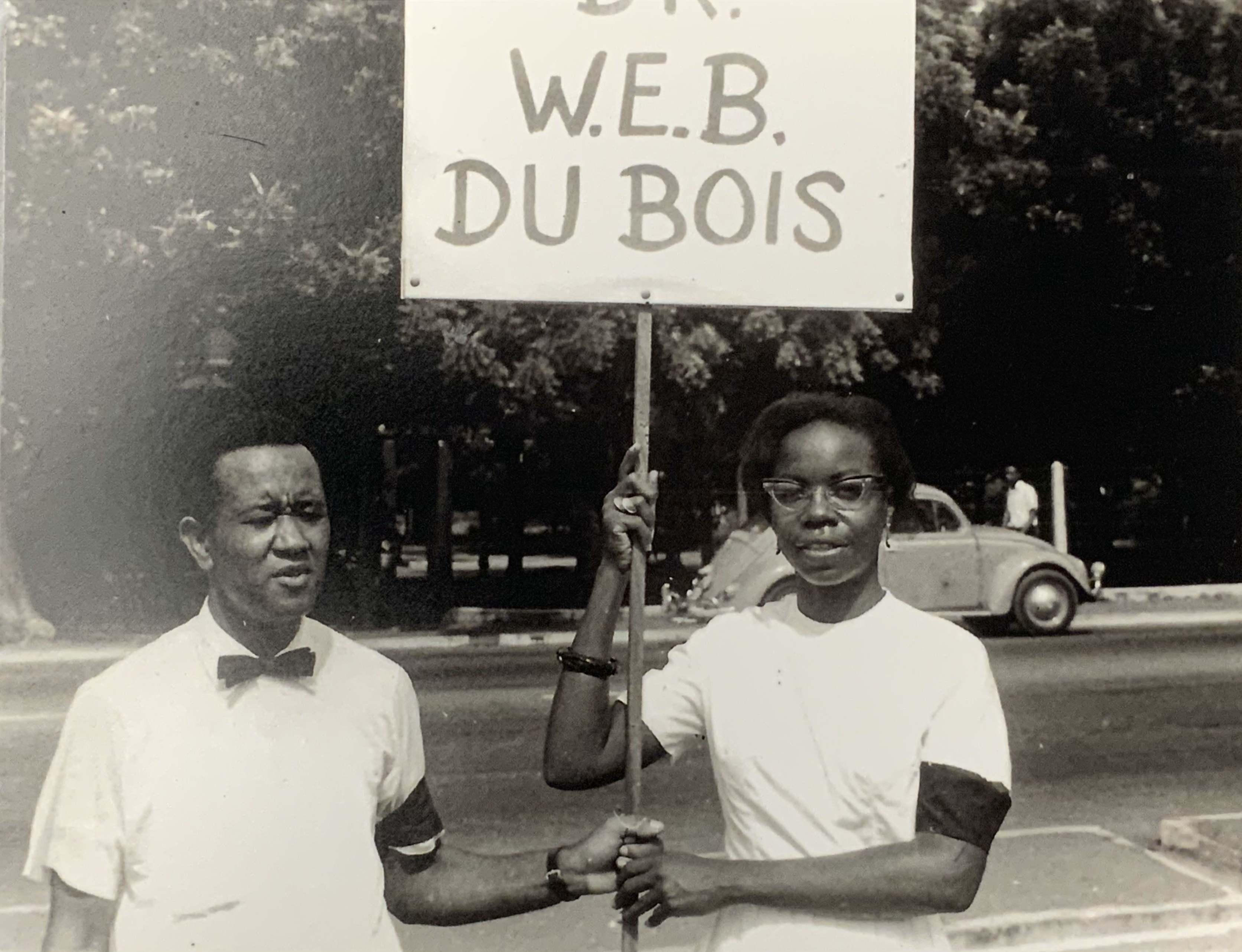
"(Alice's parents) were Civil Rights advocates, that’s all I can say. They were forward, they were assertive. They were good people and they knew what rights they had and they made sure that they weren't taken advantage of." Bernie Hayes
The Windoms are a family which believes in working to make the world a better and more just place. Alice and her brothers were involved in the Civil Rights movement from very young ages, actively encouraged by their parents. Alice worked with a variety of organizations and causes through the 1960's, and while pursuing a degree in social work she roomed with Maya Angelou. That was only the first of many prominent leaders in the era that Alice would come to know well.
"She had several photos of her and Maya Angelou. But also Martin Luther King Jr. and Malcolm X, Kwame Ture, H. Rap Brown, all of these so-called, militants at the time, Alice was friends with them. In fact, I think she had the militant attitude herself. She was as militant as they were. And she was friends with them. And she did everything they could she could to see that justice was done about them." Bernie Hayes
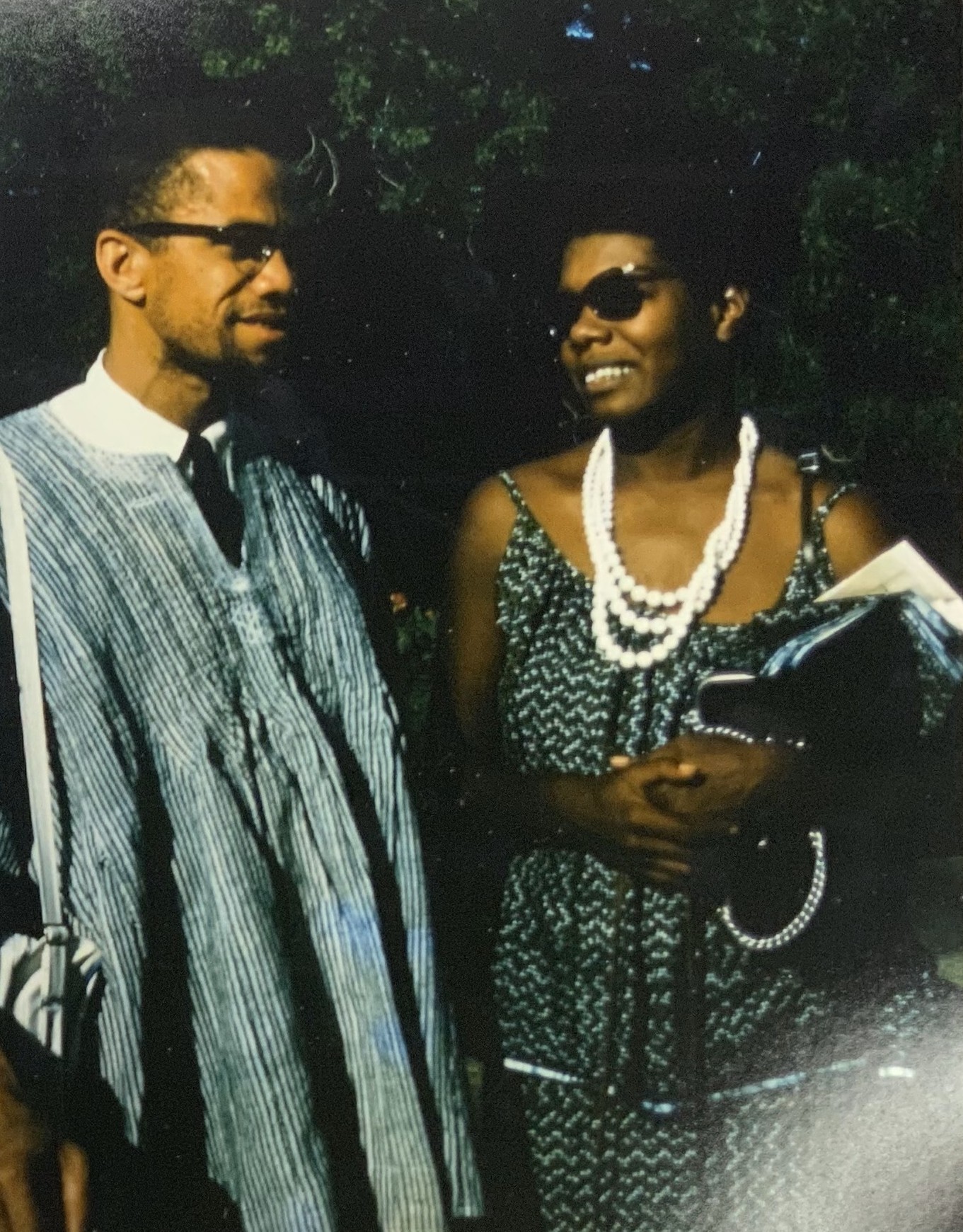
In 1962, Alice moved to Ghana to live and work. She stayed there for several years, and helped connect US based African American leaders with the Pan African movement in Africa. In 1964, she organized a trip for Malcolm X and Maya Angelou among others to come to Ghana and meet leading Pan African leaders and thinkers there, building bridges across the Atlantic. Alice lived and worked in various African countries for more than ten years, eventually returning to Saint Louis in 1972.
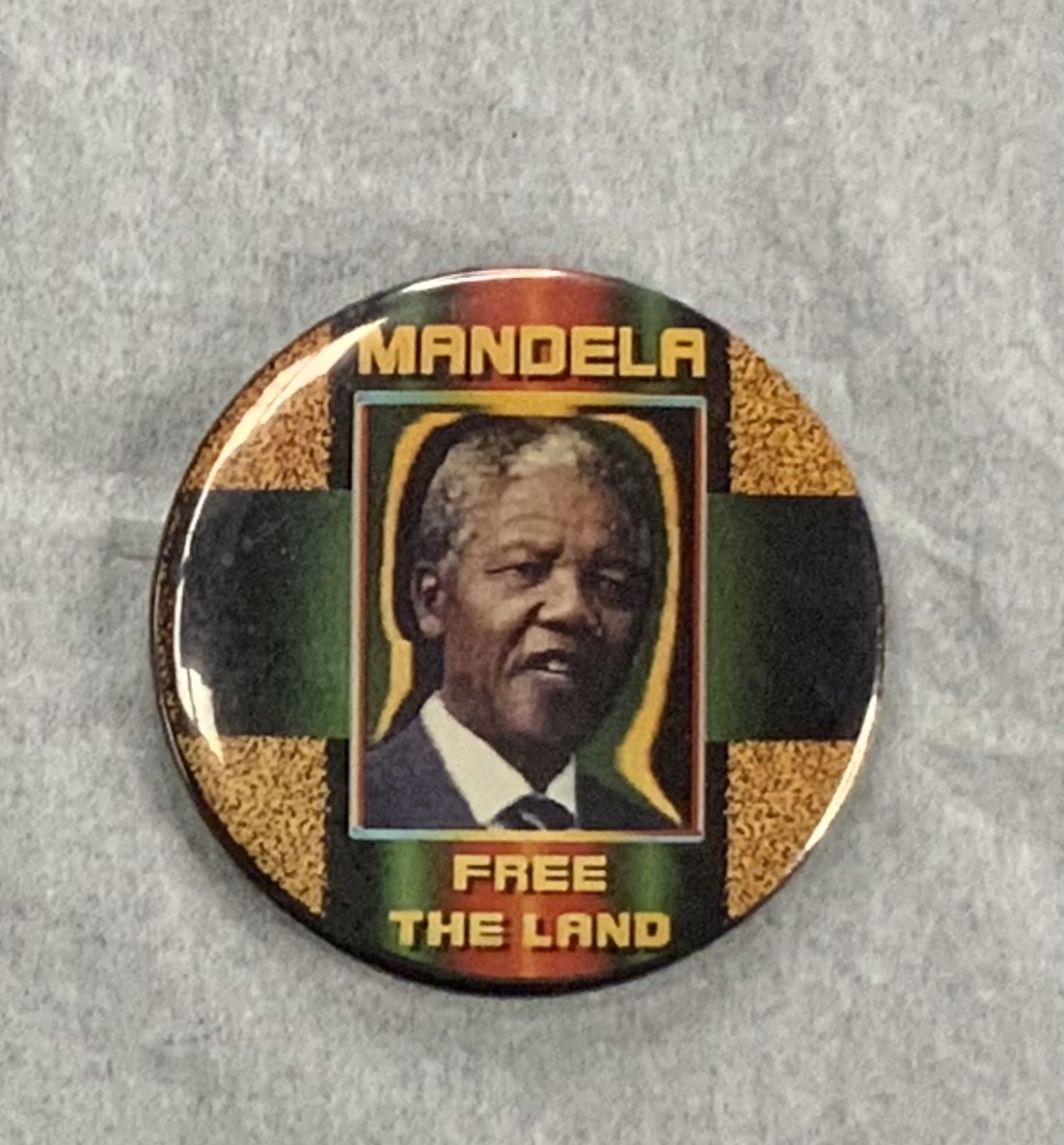
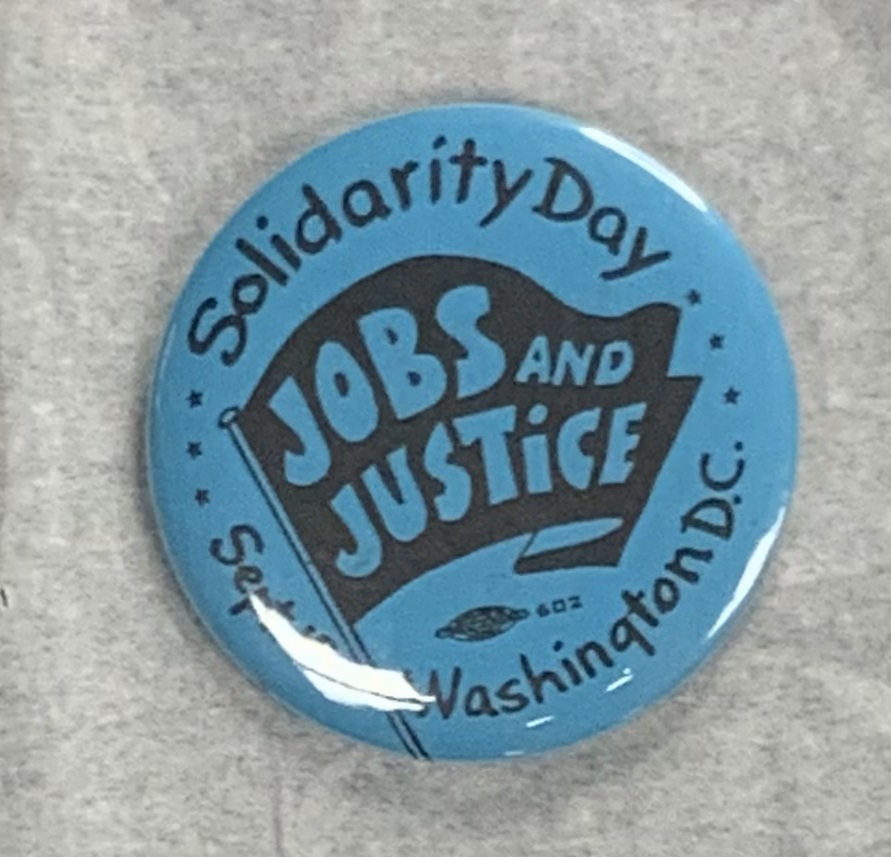
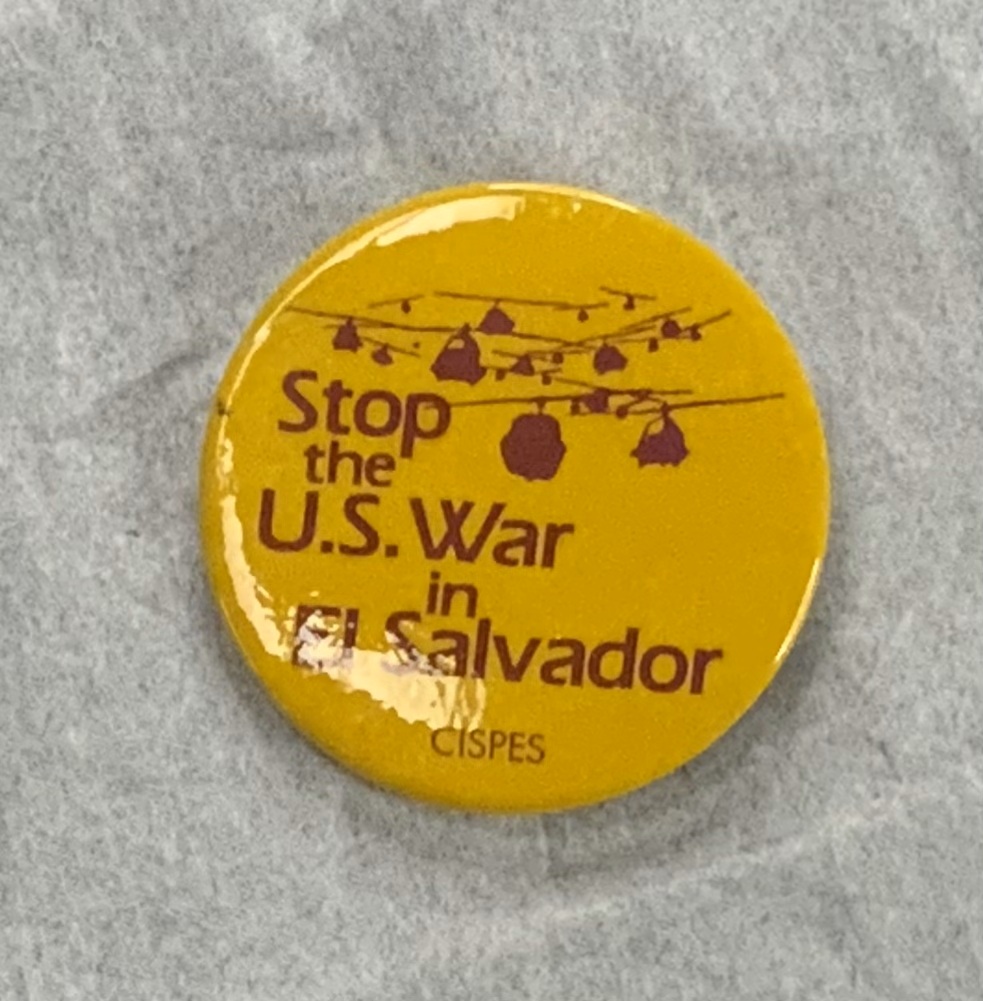
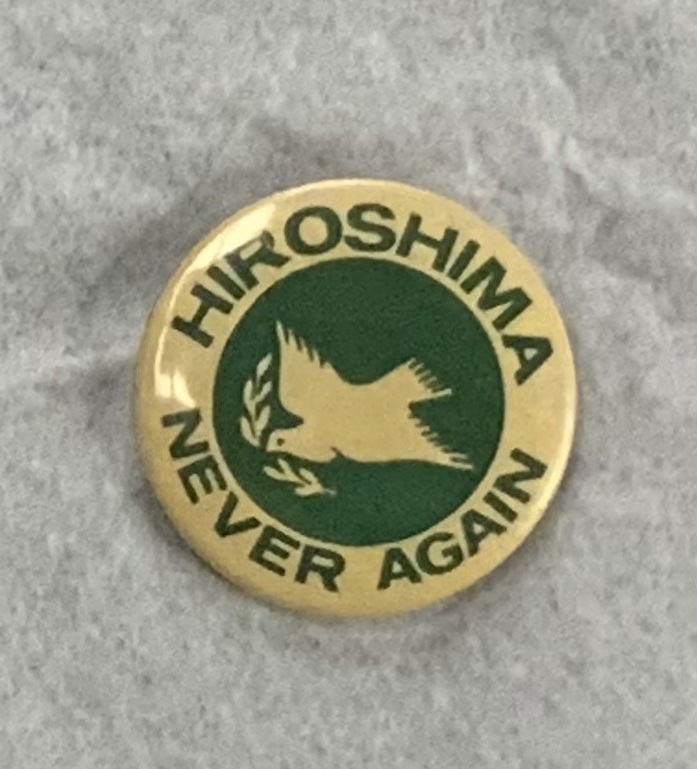
"(Alice) had so much knowledge and she liked to share that knowledge... Every conversation with her, every interaction with her was a learning experience. She’d get as much knowledge from you as she could, and she'd also give as much knowledge as she could.
She taught, she was a teacher. She was a griot..." Bernie Hayes
On her return to the United States, Alice continued to practice social work and organize for a variety of causes. She was a leader in the Saint Louis anti-South African Aparteid movement, and advocated for causes around fair work, school to college pipelines, and poverty alleviation. She also remained committed to building bridges between Africa and Black Americans. Through these years she made regular appearences on Bernie's radio and tv shows, discussing vital issues and sharing her knowledge with Saint Louis.
Bernie attested that she was constantly teaching, sharing the wealth of knowledge she obtained from her experiences with other people. In particular, she wanted to instill in Black people an understanding of the pride and value of their ancestry, the essence of the Pan Africanist spirit.
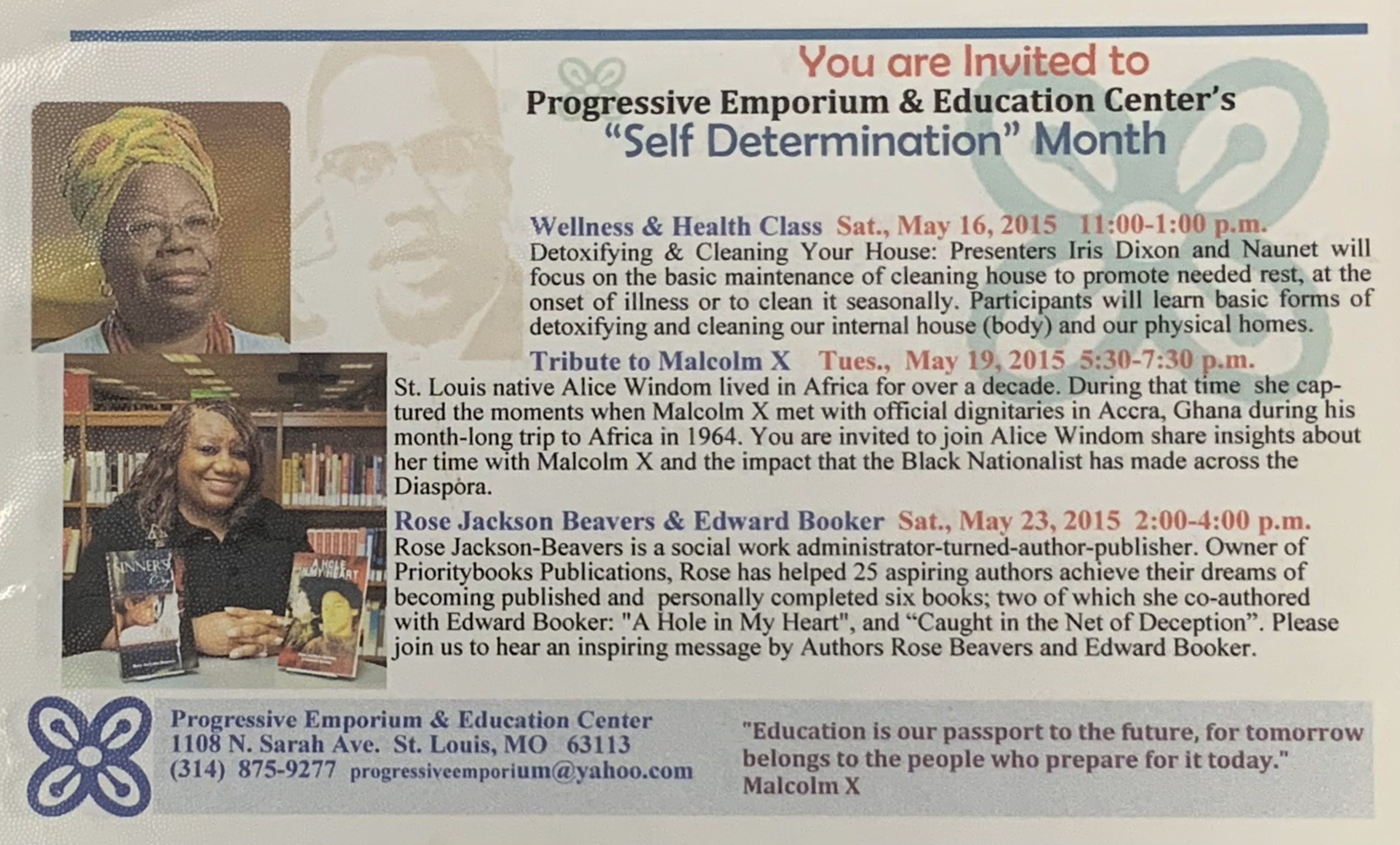
"During George Floyd (and) Ferguson... she was a spokesperson for a lot of folks. She understood what was going on and she wanted the world to portray the truth. She wanted to make sure that the truth was being told... she spoke out." Bernie Hayes
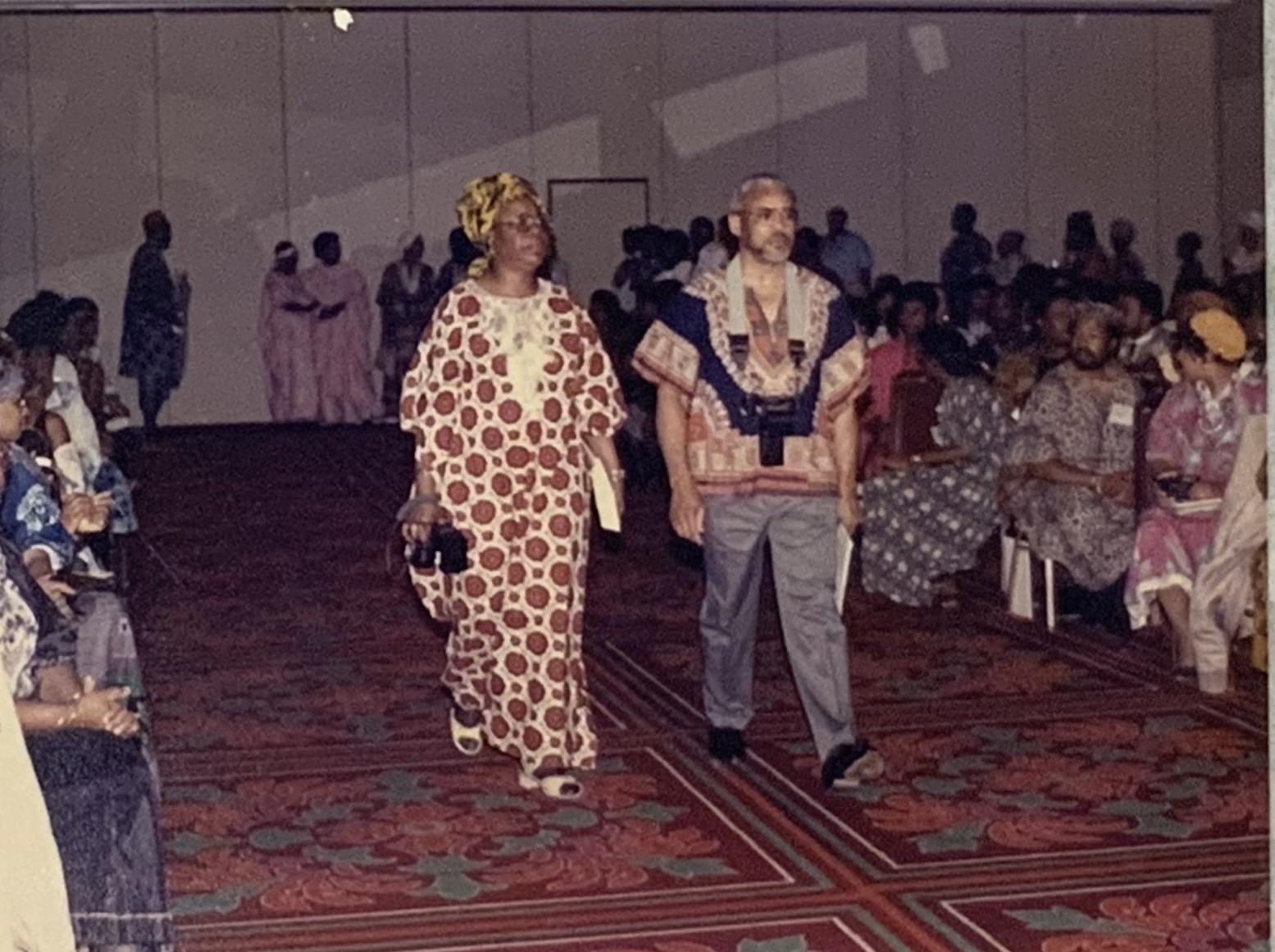
Alice never stopped fighting. Even into her 70's and 80's, as the struggle for Civil Rights entered the era of Black Lives Matter, she kept showing up, teaching and expressing herself. She also saved an enormous amount of valauble historical material from her life which is now being process by the Griot Museum of Black History, which she was a supporter of. They are working today to make sure that she is honored as the fighter and educator that she was.
I want to conclude with a final quote from Bernie Hayes. This is in response to my question about what he thought Alice would want people to remember about her and her life.
"Her heart. She loved people, all people. She especially tried to make things better for African Americans and African people. She kept all this memorabilia things that the she wanted the world to see and she hoped that Someone will make them available. I know the Griot has been do a wonderful job and her brothers, John and Jack, They're making sure that Alice is remembered as worthy, and gracious, and glorified. She was just a good person, and she should be enshrined next to mother Mary."