Lesson 1: Self-recognition within the Archives
Main Ideas:
- Archives can offer a great deal of material that can allow for individuals to reflect on the roles they can play in working towards change within society at large.
- The information found in some archival collections can inform individuals on ways they can personally stand against systemic injustice.
- Seeing oneself in the archives allows for individuals to open themselves up to new perspectives, which can lead to change on a larger scale.
What to Know:
The primary reason people use archives is to conduct some form of research. The type or subject of their research can vary based on the collections housed within the archive they are visiting. In many cases, the people utilizing archives often fall into scholarly focused groups, like academics that require materials or information housed within the archives for their research. It is important to mention that this is not always the case and is slowly changing overtime with efforts to get more people involved in historical research through things like genealogy. However, it is equally important to acknowledge that most people outside of scholarly circles still may not have any incentives or needs that require them to use archives so they typically won't use them. As a result, many people miss out on opportunities to form personal connections to their own past through the histories found within archives. By making history a more personal experience, people can open themselves up to connections and perspectives that can help them learn more about themselves. This is especially true for marginalized communities that are often subject to history erasure and cultural annihilation, both on the individual and group levels.
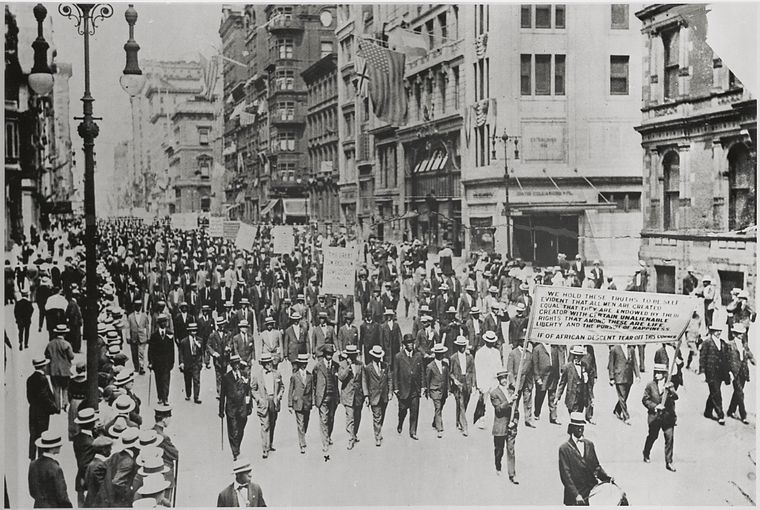
In this way, individual archival research serves as a catalyst for unity among members of those communities by preserving a shared history and culture. An example of an archival collection that serves this purpose is the Julia Davis collection, found in SHSMO's archives, intended to preserve African American culture and history for future generations. While this collection is valuable to scholars studying African American history in St. Louis, for example, it is also useful for someone from Ms. Davis’ neighborhood, for example, to visit and find personal inspiration in her story and her archival materials. It is far from the only collection with this in mind, as there are even entire archives devoted to this form of preservation. Members of these communities are not the only ones that can benefit from self-recognition within the archives, as any individual can benefit from learning about other people's culture and history and advocacy groups can use them to reflect on their mission and connect with their predecessors.
The Organization of Black Struggle, does a form of self recognition with archives in connecting themselves to the work and efforts of their predecessors like the Black Liberation movement and the Black Panther Party. Utilizing the knowledge found in archives, OBS studies the histories of the people, organizations, groups, and overall movements that came before them to learn from both their successes and their failures in order to continue their work in the best possible way. In this way OBS forms a more personal connection to history by studying the efforts of their predecessors that fought for the same thing that the Organization works towards today: an end to systemic injustice and inequality.
Another important realization that can come from these actions both for individuals and groups, is that many of the issues that plague society today won't be solved by politically- focused efforts alone. Movement organizations like OBS recognize the importance of cultural organizing, and have long worked on the cultural level to enact change in the hearts and minds of people. In this way, archives can show that these problems are not only limited to public policy, but are also rooted in culture and harmful social norms. Archives can offer insight into not only these political problems that have allowed for continued systemic injustice, but also how on social and cultural levels these issues were embraced and enforced. An excellent example of this would be how segregation followed the end of slavery in the Civil War, legally allowing for racial divisions that became culturally and socially enforced during the time of Jim Crow.
Activity: Putting Into Practice
Linked below are a series of different that you can explore to connect with histories that are not usually told or perhaps even avoided in traditional schooling. While going through the stories held within one or more of these collections, reflect on your own past experiences and world view. Here are some questions you can think on when reviewing these collections to aid in your self reflection:
- Have you learned about the people and cultures discussed within the collections?
- Do any issues found in these collections remind you of problems occuring in the world today?
- Is there anything you learned about yourself or your own history when reviewing any these collections?
- After reviewing these collections, do you have any thoughts about how history has been taught?
Links to collections:
African American Experience in Missouri - Digitized Collections
Folklore and Folklife - Digitized Collections
Jewish Community Archives of Greater Kansas City - Digitized Collections
Want to Know More?
Almeida, Nora, and Jen Hoyer. “‘Introduction’ the Social Movement Archive.” CUNY Academic Works, academicworks.cuny.edu/ny_pubs/775/. Accessed 25 Apr. 2025. "Introduction" The Social Movement Archive" by Nora Almeida and Jen Hoyer
The Social Movement Archive | the American Archivist, meridian.allenpress.com/american-archivist/article/85/2/708/489611/The-Social-Movement-Archive. Accessed 25 Apr. 2025. The Social Movement Archive | The American Archivist
Caswell, Michelle. “Seeing Yourself in History: Community Archives and the Fight Against Symbolic Annihilation.” The Public Historian 36, no. 4 (2014): 26–37. https://doi.org/10.1525/tph.2014.36.4.26. Seeing Yourself in History on JSTOR
ASU Library. "'Seeing yourself in the archives,' a look inside the Black Collections." Arizona State University. Published Feb. 01, 2021. Updated March 02, 2022. 'Seeing yourself in the archives,' a look inside the Black Collections | ASU Library
Next Lesson: