Items
Explore individual items gathered for collections and exhibits centered around particular themes, people, places, or events.
-
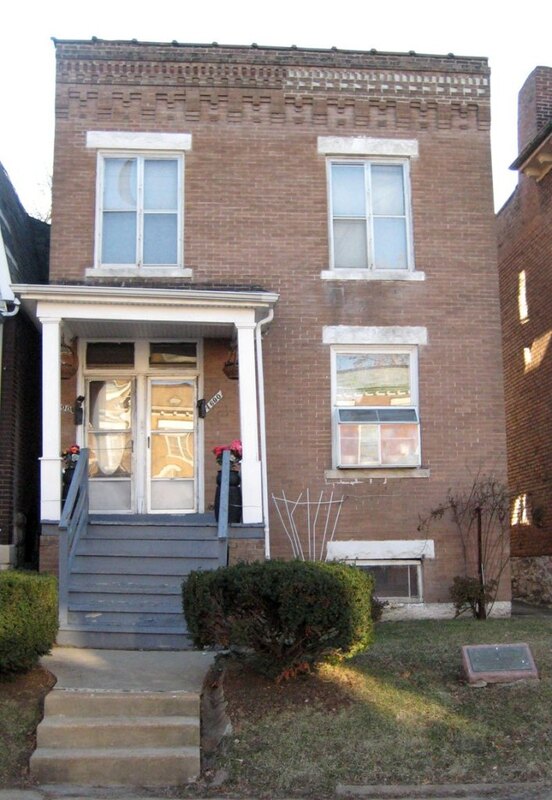 Shelly House (Shelly v. Kraemer Landmark)This modest home would be the center of a landmark Supreme Court case that challenged racial housing covenants. It symbolizes legal resistance and the outstanding courage that ordinary citizens needed to use to confront injustice. This site is a reminder that hope can have very humble beginnings and all one needs to do is refuse to accept exclusion. Today there is still some community centered around the house, mainly a group of civil rights historians and neighborhood advocates that keep this site alive. When I went there years ago, I remember the aged brickwork and the gravity surrounding the house with its historical memory attached to it.
-
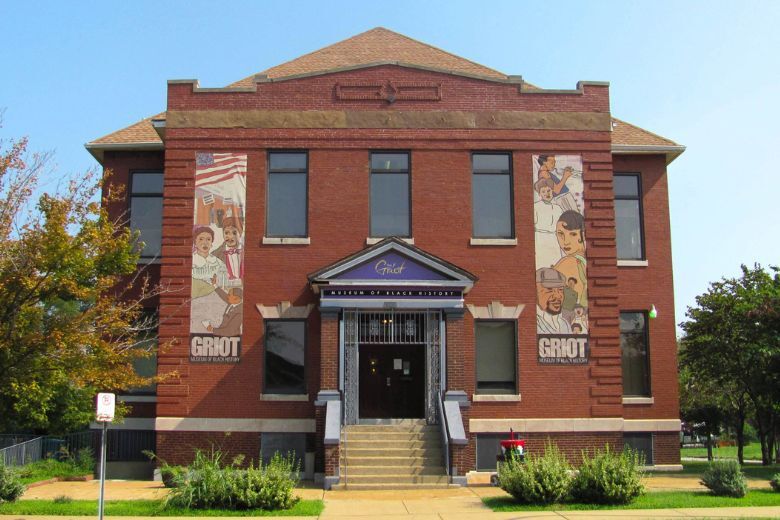 The Griot Museum of Black HistoryThe Griot Museum highlights black resilience and creativity. Through several exhibits on local activists, artists and historical figures, it shows the rich tradition that St. Louis's African American community has going back several generations. This museum is a living archive of struggle and triumph in the face of overwhelming hardships. This is a space where hope is actively curated and celebrated. There are several events held here every month that include community storytelling and youth-led tours.
-
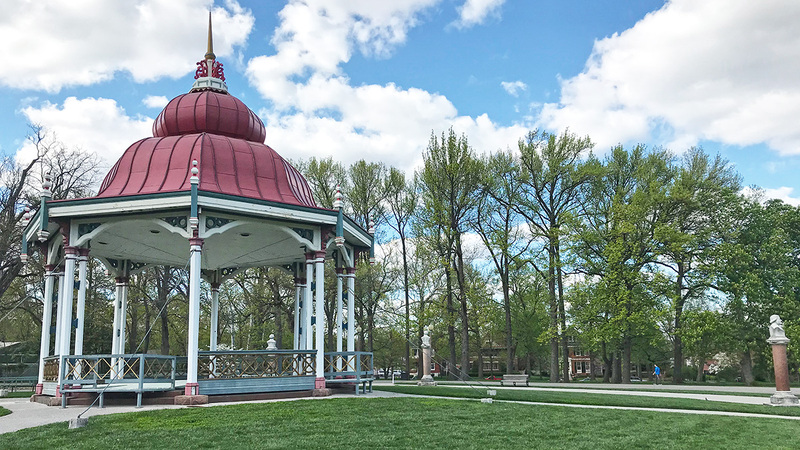 Tower Grove ParkTower Grove is where I began my fitness journey. I would make a 4 mile loop that I would walk every day while I lived in the area. On top of that, the park has a charm to it that gives me hope. I spent countless hours reading and pouring over papers in the park and felt right at home there. It is a space where nature and community coexist, and it offers a daily reminder to me that peace and connection are possible. There is a large sense of community throughout the park where local families, artists and several running groups regularly gather. When I think of the park, I think of the smell of freshly cut grass and rustling leaves.
-
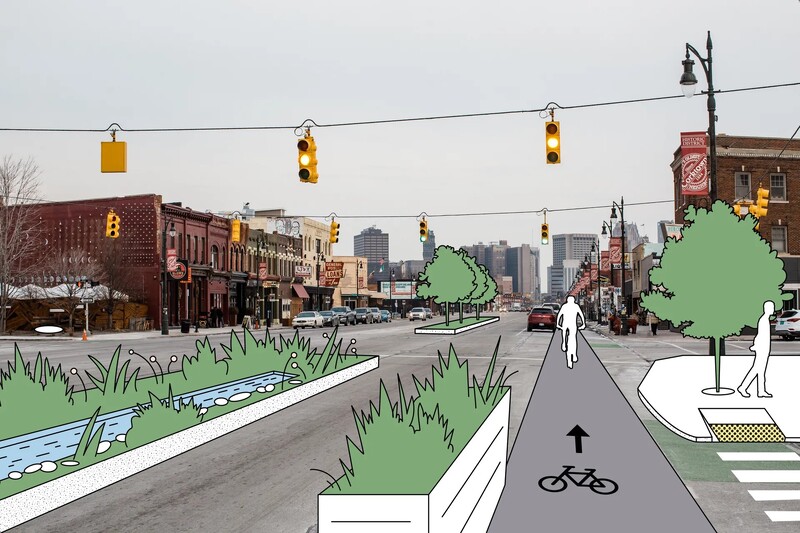 Bevo Mill/Morganford, pedestrianizedI wish to see the Bevo Mill pedestrianized. There are photos in the past where the street for the cars is just as wide, but with business busy and bustling up and down Gravois. I live down the block and around the corner from the Bevo Mill, a traditional windmill fashioned after those in Holland and built by the Busch family as a “rest stop” between their sprawling home and land at the current “Grant’s Farm” and the brewery. In the last several years, there have been multiple traffic-caused fatalities on Gravois and near Morganford. I cannot express how traumatic this is for someone who walks often, but also in thinking about the children and families who could be affected by these preventable tragedies. This is a major issue throughout the city and country, as vehicle operating behavior has appeared to spiral wildly out of control since the pandemic. There are studies that are researching the social connection between the pandemic, and the increase of reckless driving, automobile accidents, pedestrian injuries and deaths. This, however, has been an ongoing issue in our city which has been designed for cars. There is already a neighborhood committee, the Bevo Community Improvement District which was formed to promote the vibrant community. From the website, the CID states its goal- to bring awareness to the communities and St. Louis metro region that the Bevo Mill neighborhood is a growing and promising place to live and work. The CID also states, “We pride ourselves as being a walkable, livable, workable community”. While I do think this is technically true, I believe there needs to be some major safety changes and improvements to the street and sidewalk infrastructure to promote even more attraction to the neighborhood. We do see families walking with their children, strollers and dogs, but there is still an element of concern because there is very little to protect walkers from cars on Morganford and Gravois. I think if these sidewalks were improved, more people would feel comfortable walking to the businesses nearby, coming out into the community and meeting their neighbors. Experiencing the safety of pedestrianized European streets and parts of New York City has inspired me to dream of seeing this stretch of Gravois similarly protected. I have hope that this already beautiful and vibrant community can be even better with improved infrastructure. Walking in your community fosters not just a sense of belonging and place, but also physically brings people together but creating the space to do so. We learned in the archives and history of the nation’s parks that were created to bring people back in connection with nature in an urban environment. There are cities which have created this natural landscape feature in connection with the safety features that protect pedestrians from busy roads. Our own city has built several greenways, thoroughfares which are protected from cars and allow pedestrians and cyclists to connect to neighborhoods easier. Adding green and pedestrian friendly infrastructure to Gravois would mean cutting away some of the road dedicated to cars, but would have long-lasting cultural, social and communal benefits.
-
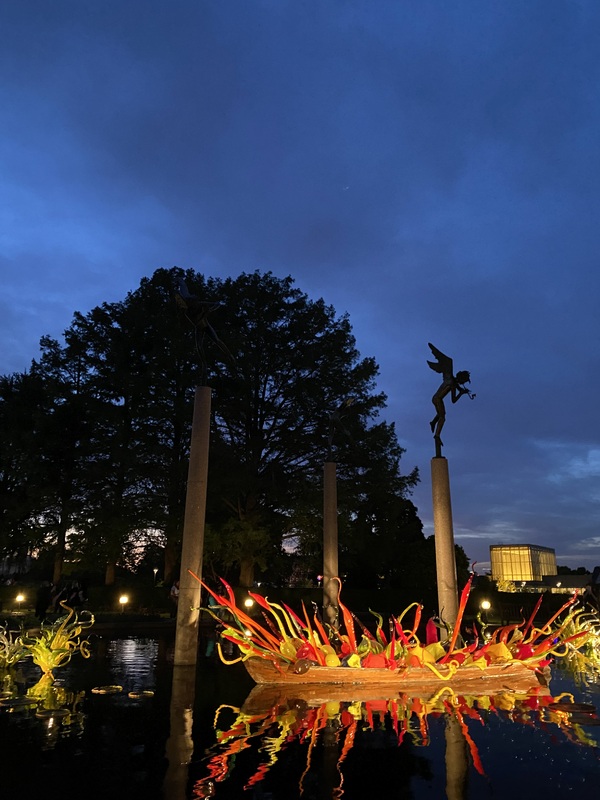 Missouri Botanical GardenHistorically once known as Shaw’s Garden, established by English immigrant Henry Shaw in 1859, the Missouri Botanical Garden is now one of the most important botanical research institutions west of the Mississippi. Shaw dedicated the land that is now Tower Grove Park, and his garden conservancy to the city upon his death. Historically of the Victorian era, the botanical institution was not without its wrongs. Records indicate that Shaw owned slaves, and in 1855, 4 African Americans escaped his house with the help of a woman named Mary Meechum. The garden accounts for this terrible history, and while no action beyond reparations can indeed make up for the enslavement of people, there is on display, public information about the people who were enslaved and the site is listed on the Underground Railroad register. What gives me hope about this institution is the dedication to culture, the community and the greater city within this garden. One of my fondest memories of my first summer living here was the Whitaker Music Festival, a free music concert offered on Wednesday nights inside the garden walls. Unlike regular admission, Whitaker nights are free and open to everyone. You can bring camp chairs, wagons, your own picnic dinner, and even alcohol and enjoy the company of your neighbors, friends and family in a world class botanical garden. Those types of events really solidify a feeling of community, in a naturally beautiful and clean environment. While admission to the park has changed over the years, the garden does offer free admission to city residents on many days throughout the year. It would be excellent if the garden was funded the same way as the St. Louis Art Museum and Zoo, which could provide free admission to all, but due to the history of the institution, its funding and financial structures are built differently. The garden does offer a Member Appreciation Week, where yearlong memberships to the garden are a certain percentage, 15% off. My mom and I go in on a membership each year for Christmas, usually re-applying during the member appreciation week, which makes it slightly more affordable to access this amazing place. While the botanical garden has evolved over the years, it remains one of the most popular places of the city, and has remained culturally relevant and impactful for over a century.
-
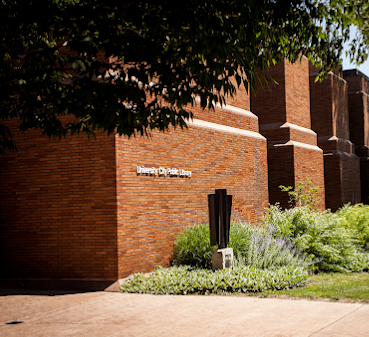 The Public Library (University City Public Library)I may be biased because I work for a library and am dedicating my life to library science soon, but I do think one of the most inspiring and hopeful places is the public library as an institution. The University City Public Library is just one of dozens of public libraries in the St. Louis region. While the history of tax municipalities and city and county borders have resulted in a confusing 3 separate library systems, there is comfort in the fact that St. Louisans have the ability to acquire a card from all 3. I think the history of the public library and the Library Bill of Rights are things that are hopeful in themselves. The author of the provisions of a bill that would allocate tax money to fund public libraries, offering free access to knowledge of those within a municipality, was a Peoria, Illinois native. E.S. Wilcox saw the need to provide books and resources for all, something that each state would soon adopt in their own bills and laws. The public library today offers much more than physical media but is one of the only free public institutions that works to fill the growing lack of resources in our communities, especially in urban areas where there is often a major rift between the rich neighborhoods and the poor ones. During the May tornado that devastated St. Louis, the library I work for was a safe haven not only in the moments leading up to and during the storm, but in the weeks and months following the destruction. For those suddenly displaced and with nowhere to go, the library provided internet, air conditioning and a respite from the chaos. Weeks went on and some of the neighborhoods nearby that were the most affected saw little to no assistance from the local and federal government, but a huge response from ordinary citizens, neighbors, from throughout the city helped. These groups used the library to make fliers, research, and as a meeting space to connect with one another. There are community classes offered regularly at the library, and cultural events such as book discussions, author talks and art gallery events. There truly is not one day that I will work without witnessing something hopeful. Whether it’s the small moments of calm and relief in the aftermath of a major natural disaster, or on a regular Wednesday night watching children squeal with excitement and run upstairs to find their next book…the library has the hope that we have been searching for.
-
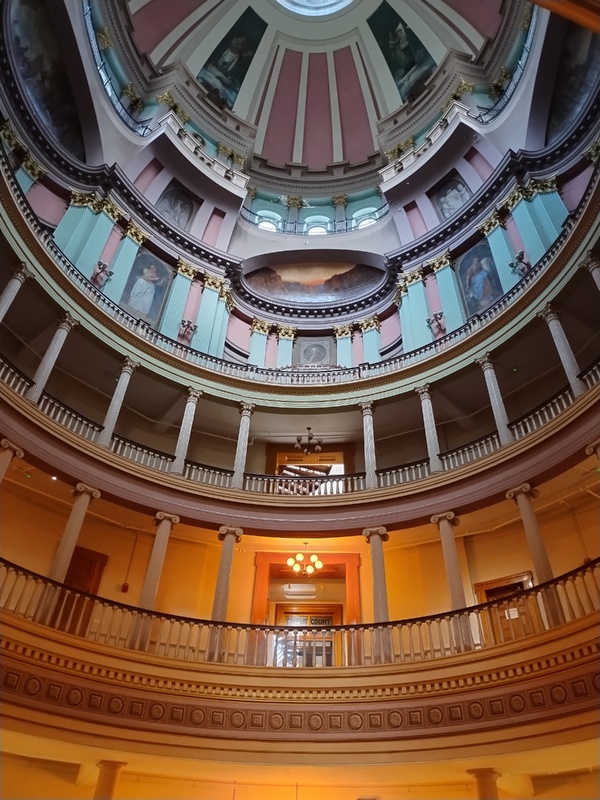 The Old CourthouseThe Old Courthouse in St. Louis has played a many roles in the history of St. Louis, good and the bad. The Courthouse held many landmark cases such as Dred Scott vs Stanford. Today the courthouse is open for visitors to learn the complex history of St. Louis. This location gives me hope because although it holds such strong memories of oppression and inequality the current museum and outreach the staff is a part of shows how we as a city have grown. It shows that progress is possible and that although there has been progress there is still more to be done. The building helps show people what is important in our history.
-
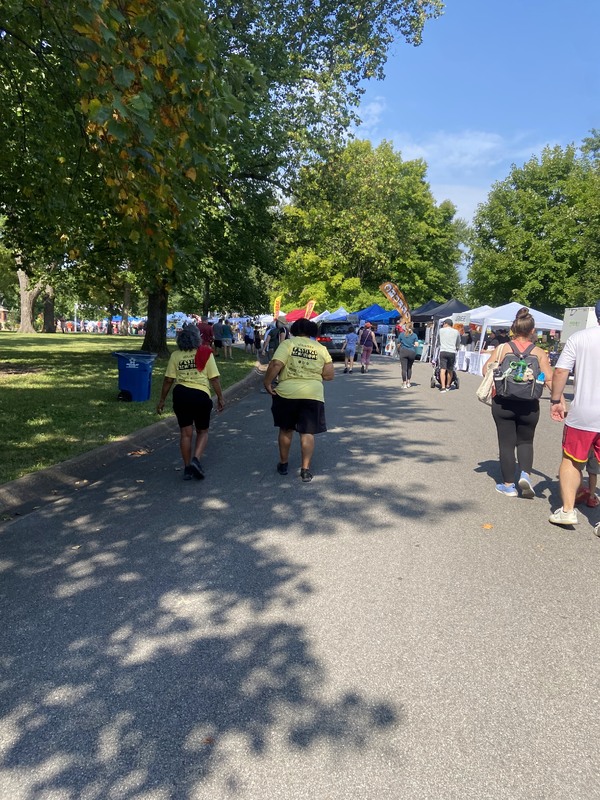 Tower Grove Park, Festival of NationsThe Festival of Nations is celebrated every August in Tower Grove Park. It is a great time to experience what makes St. Louis unique and to enjoy foods you have never tried before. It is a time to enjoy community and make connections. This festival gives me hope because I am able to meet and talk to many people from different backgrounds. It is very fun to be in an area with so many cultures mixing and it is very inspiring to be surrounded by people excited to share their practices, food, art, culture, dance, etc.
-
 Cafe MochiCafe Mochi is a nice restaurant where I often get dinner with my best friend. The food is wonderful, and the staff is very kind. We always get the same curry and talk about things that make us happy. This location brings me hope because it allows me time to focus on myself and people I love without the distraction of outside forces. The outdoor seating is wonderful as well because I get to be a part of the larger community in my neighborhood.
-
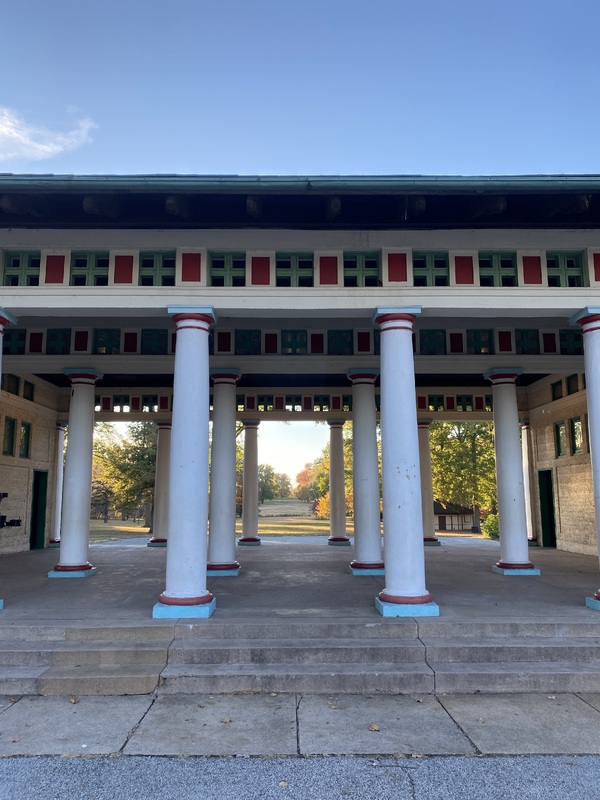 Tower Grove Park - Near Maury Ave and ArsenalMy personal site is no surprise, Tower Grove Park, specifically near Maury Ave and Arsenal. I found a lot of solace there during the pandemic. We were living in a very small studio apartment and could be inside the park with a 1–2-minute walk. As long as I had been living in Saint Louis, I would frequent this park, but it became essential and quite literally saved my life during the 2020 COVID lockdown. After getting sober in August, the park became a refuge beyond just escaping the confines of the apartment. We found community within the park. Met up with old acquaintances, began new passion projects, decided to go back to school. These little moments all happened at the park, something I feel grateful for every day. There was a proposition in 1955 to place a highway through the park, connecting Morganford and Tower Grove Avenues, in an alleged effort to make the city “more accessible”. There was a massive outcry of neighborhood community members who rejected this plan. Luckily, a provision in Henry Shaw’s dedication of the park determined that the park would always need to be a park, and if the land ceased to be a park it would revert back to the Missouri Botanical Garden. The case was heard by the Missouri Supreme Court in 1965, where it was held that the City of Saint Louis had no legal power or right to build a highway through Tower Grove Park. While the park has had many of its interior roadways expanded, an effort was made during the pandemic to allocate either the west or east end to traffic-free weeks. This is something that made the park even easier and safer to get around during that time. The park has touched thousands of St. Louisans lives and continues to be my personal brightest light. Contemporary Site - The Public Library Latitude: 38° 38’ 54.567” N Longitude: 90° 14’ 58.064” W I may be biased because I work for a library and am dedicating my life to library science soon, but I do think one of the most inspiring and hopeful places is the public library as an institution. The University City Public Library is just one of dozens of public libraries in the St. Louis region. While the history of tax municipalities and city and county borders have resulted in a confusing 3 separate library systems, there is comfort in the fact that St. Louisans have the ability to acquire a card from all 3. I think the history of the public library and the Library Bill of Rights are things that are hopeful in themselves. The author of the provisions of a bill that would allocate tax money to fund public libraries, offering free access to knowledge of those within a municipality, was a Peoria, Illinois native. E.S. Wilcox saw the need to provide books and resources for all, something that each state would soon adopt in their own bills and laws. The public library today offers much more than physical media but is one of the only free public institutions that works to fill the growing lack of resources in our communities, especially in urban areas where there is often a major rift between the rich neighborhoods and the poor ones. During the May tornado that devastated St. Louis, the library I work for was a safe haven not only in the moments leading up to and during the storm, but in the weeks and months following the destruction. For those suddenly displaced and with nowhere to go, the library provided internet, air conditioning and a respite from the chaos. As the weeks went on and some of the neighborhoods nearby that were the most affected saw little to no assistance from the local and federal government, but a huge response from ordinary citizens, neighbors, from throughout the city. These groups used the library to make fliers, research, and as a meeting space to connect with one another. There are community classes offered regularly at the library, and cultural events such as book discussions, author talks and art gallery events. There truly is not one day that I will work without witnessing something hopeful. Whether it’s the small moments of calm and relief in the aftermath of a major natural disaster, or on a regular Wednesday night watching children squeal with excitement and run upstairs to find their next book…the library has the hope that we have been searching for.
-
 Cafe MochiThe location of Cafe Mochi where I often get dinner with my best friend. The food is wonderful, and the staff is very kind. We always get the same curry and talk about things that make us happy. Spending that time with her is unparalleled.
-
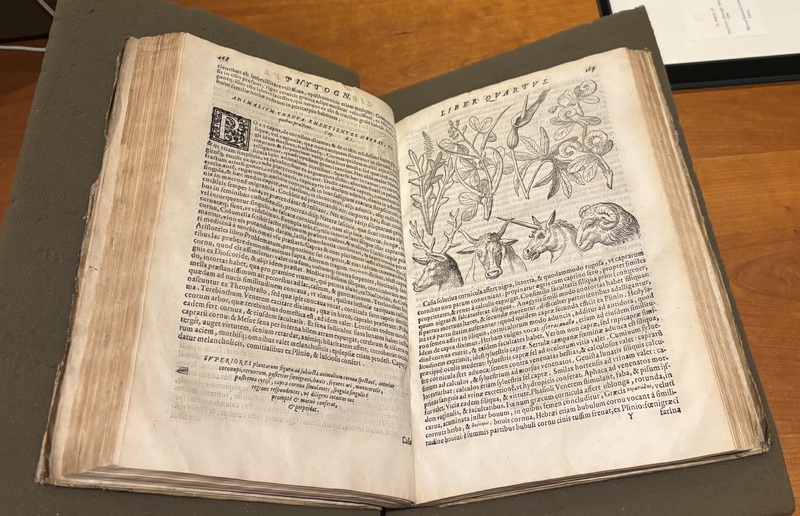 Peter H. Raven Library and ArchivesThe Peter H. Raven Library and Archives mission is "to discover and share knowledge about plants and their environment, in order to preserve and enrich life". As one of the most comprehensive libraries of botanical literature in the world staff are constantly aiding the herbarium with their work documenting and interpreting their more than 7.5 million specimens. Their work inspires hope in conservation and deepening our understanding in botany.
-
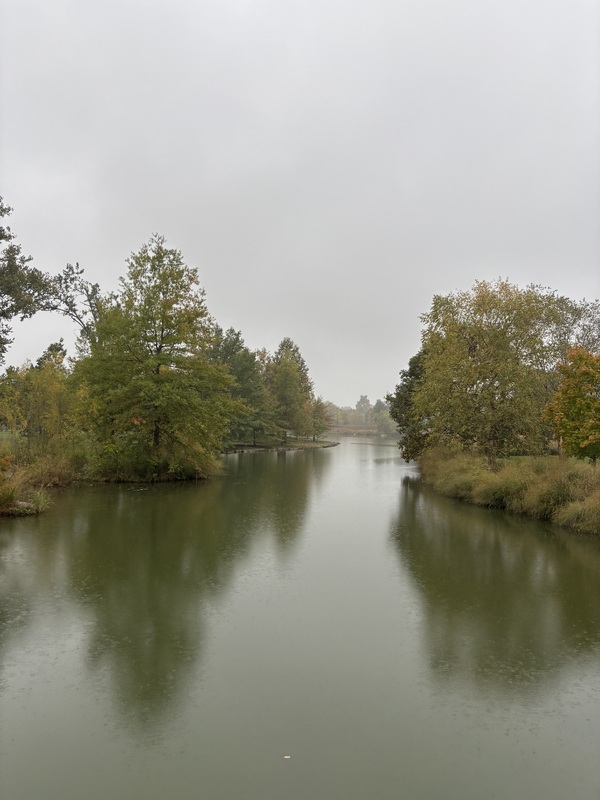 Wildlife IslandIn the heart of the city Forest Park gives refuge to a more diverse group of organisms than you might imagine. Wildlife Island is inaccessible by foot, making its most common visitors wildlife, such as the Great Egret. The island plays a key role in the Park's conservation efforts.
-
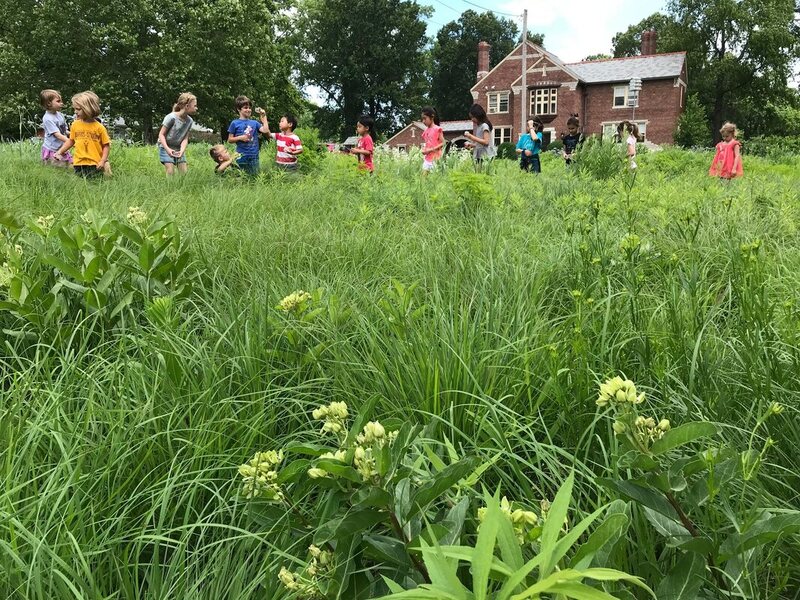 The Green CenterThe Green Center is a nonprofit organization that runs summer camp programs, provides space for climate workers, and grows native Missouri plants in an effort to educate and mobilize towards climate action in St. Louis and beyond. The Green Center cultivates ecological knowledge and splices it with community outreach to create a web of professionals, artists, neighbors, and more. Their commitment to doing climate work in an increasingly hostile political environment, as well as their work to ensure children build environmental awareness, inspire hope not only for the future of our climate but for the connections and community they support.