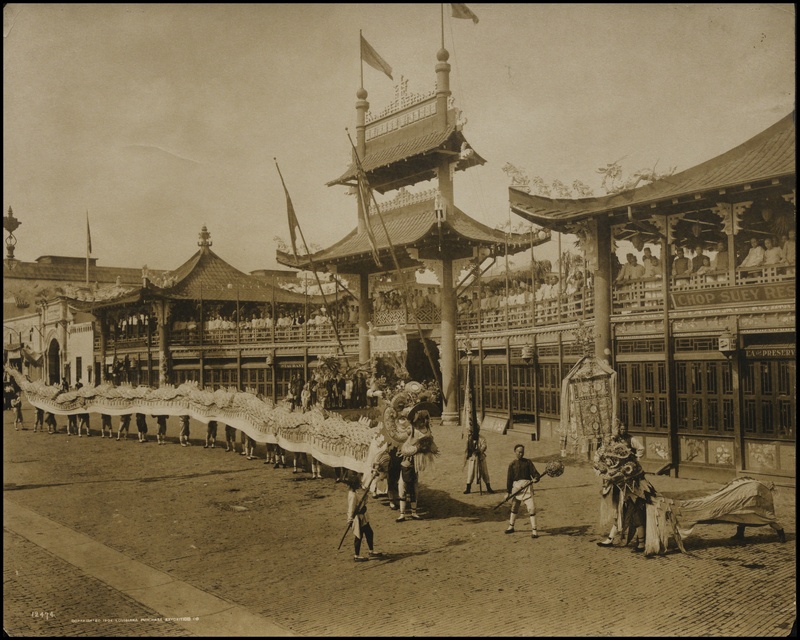
This collection features items related to the Chinese Pavilion, an exhibition that showcased Chinese culture at the 1904 World's Fair. The associated items were added as part of HIST6133 - Digital Public History at UMSL.
This collection features items related to the Women's Suffrage Movement in St. Louis. The associated items were added as part of HIST6133 - Digital Public History at UMSL.
This collection features items related to Indigenous Peoples of St. Louis. The associated items were added as part of HIST6133 - Digital Public History at UMSL.
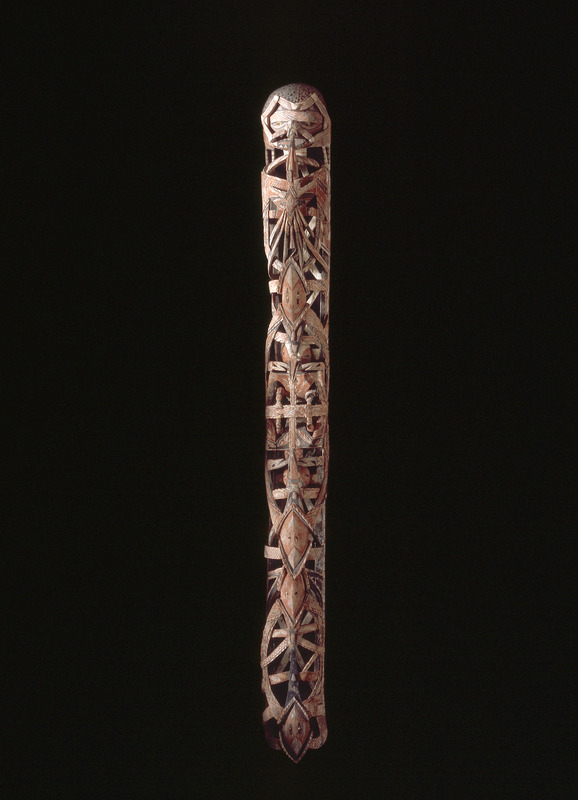
This collection features items related to Indigenous artifacts held at the St. Louis Art Museum. The associated items were added as part of HIST6133 - Digital Public History at UMSL.
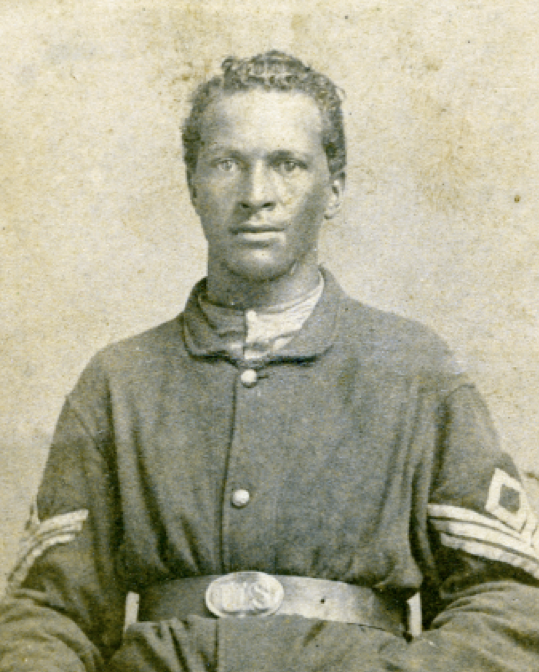
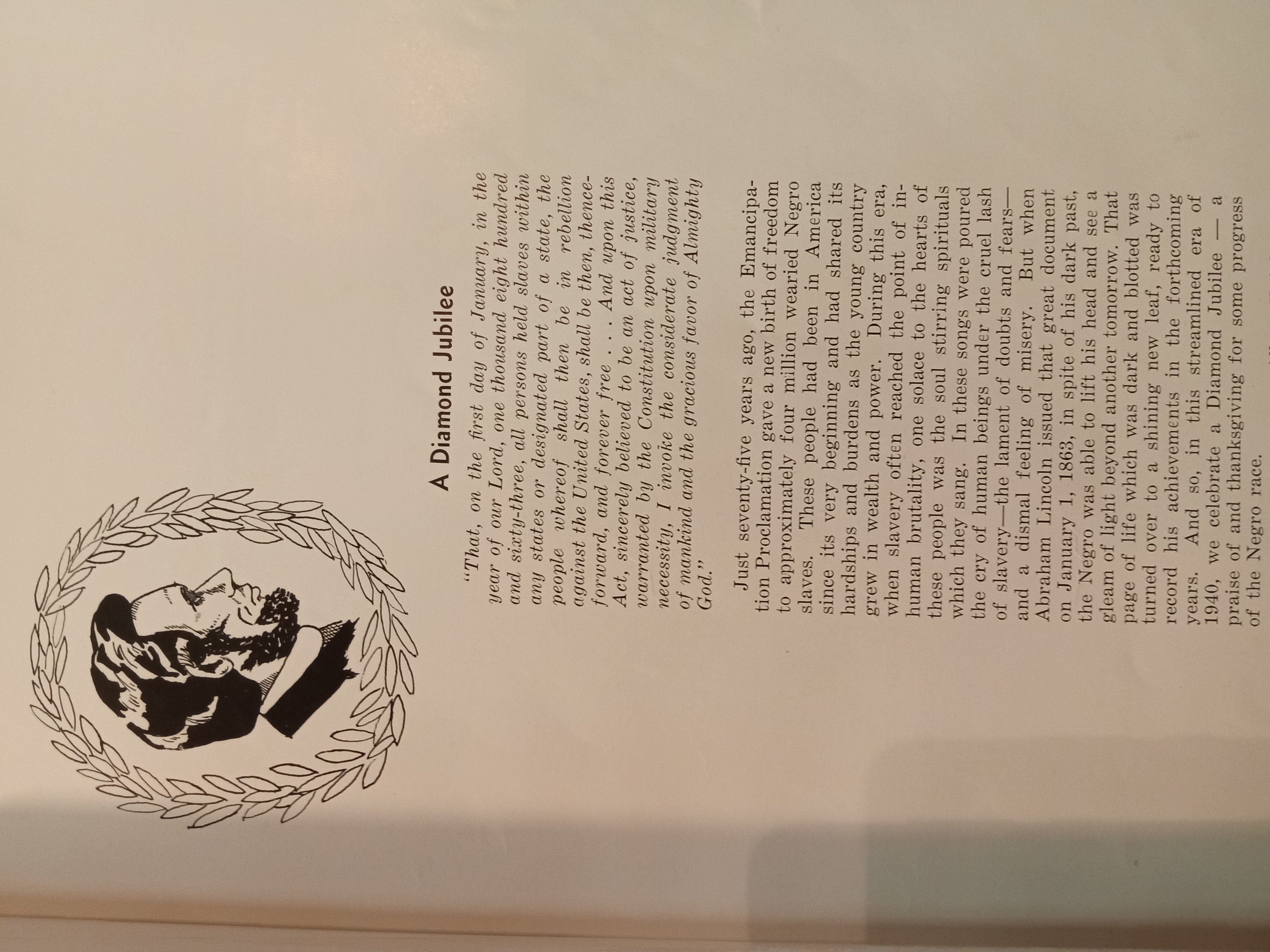
This collection features items related to people who attended Sumner High School. It contains photographs. This work was done as part of Museums and Communities.
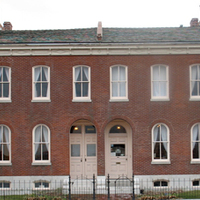
This collection features items related to Hop Alley, an historic neighborhood where Chinese Americans lived in St. Louis. Hop Alley ran between Walnut and Chestnut Streets from Seventh to Tenth Street, growing from a community of around 250 Chinese immigrants who came to St. Louis in 1869. Starting in 1958, Chinatown was condemned and demolished to make room for urban renewal projects and Busch Memorial Stadium, which opened in 1966. The associated items were added as part of HIST6133 - Digital Public History at UMSL.
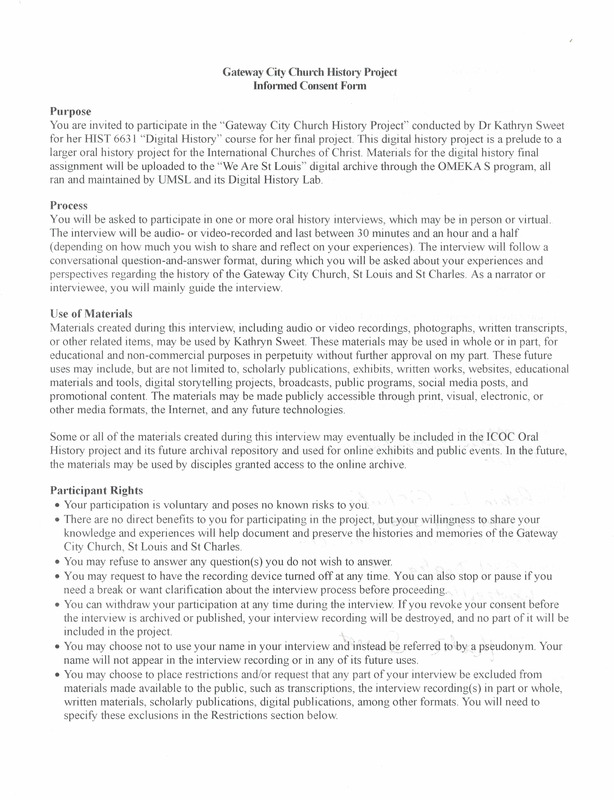
This collection features items related to the Gateway City Church. It focuses on how the church supports the community, provides services, and serves as an institution of faith. The associated items were added as part of HIST6133 - Digital Public History at UMSL.
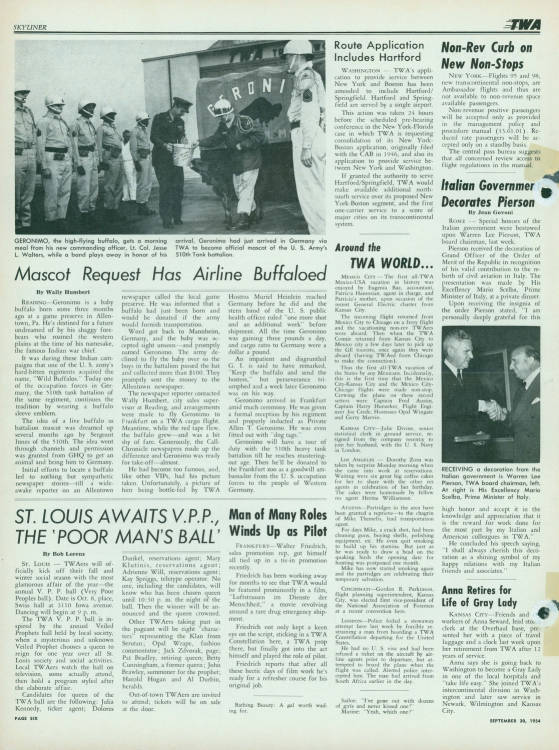
This collection features items related to the Veiled Prophet Society. The associated items were added as part of HIST6133 - Digital Public History at UMSL.
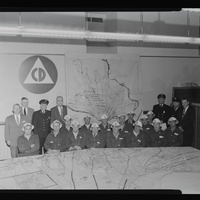
This collection features items related to Cold War history in St. Louis. It focuses on the local Office of Civil Defense, preparations for potential nuclear attacks, and existing remnants of this era in our modern environment. The associated items were added as part of HIST6133 - Digital Public History at UMSL.
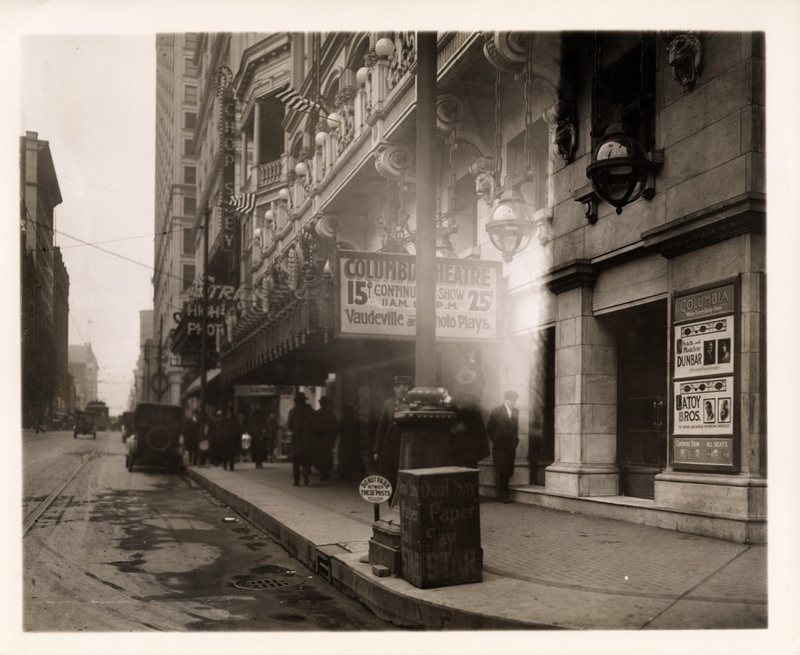
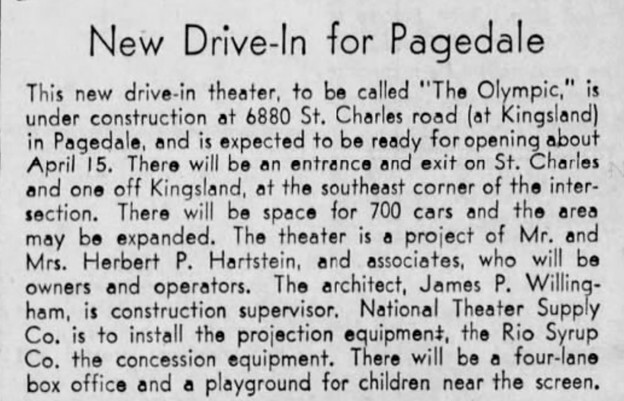
This collection looks at the Olympic Drive-In Theater in St. Louis during the 1960s using newspaper articles, ads, and film posters. Within its first year, the theater moved from fairly conventional, family-friendly movies to openly sexual and pornographic content, and it stayed that way until it was taken over in 1977. The associated items were added as part of HIST6133 - Digital Public History at UMSL.
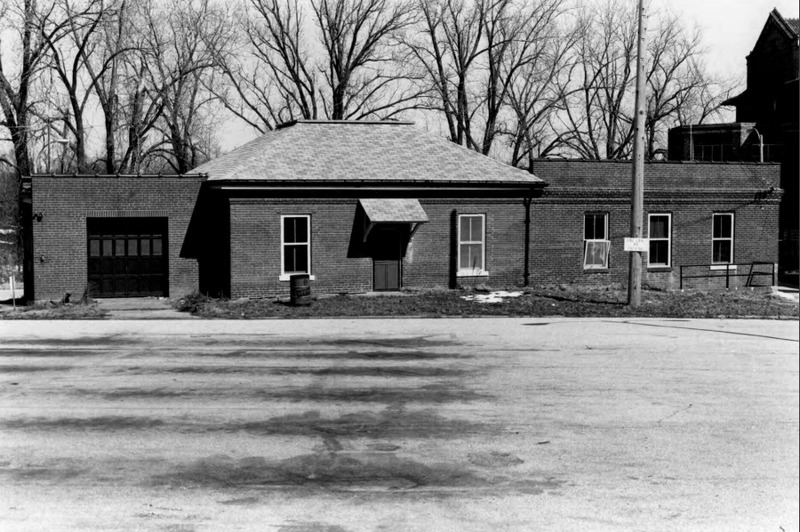
On June 27, 1854, the city of St. Louis bought a sixty acre parcel of land 1 1/2 miles south of Jefferson Barracks from Augustus Langkopf for the amount of $5,000. This would become the site known as Robert Koch Hospital. Quarantine, which it was originally known, was used as a quarantine station along the Mississippi River. Outbreaks of smallpox, yellow fever, typhoid fever, and cholera created the need for the city to inspect and quarantine sailors coming into St. Louis’ port to reduce the spread of the diseases.
The items in this collection are related to an exhibit on this history of this hospital.
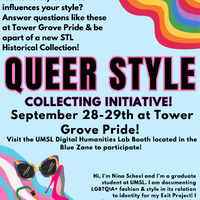
Queer STyLe is a digital collection featuring micro-oral histories and photographs of various members of the St. Louis LGBTQIA+ community. The collection aims to provide a clear documentation of the experiences and styles within the St. Louis queer community while also contributing to current scholarship on the intersection of fashion, style, and identity. By drawing on the analysis of Maria Mckinney-Valentin and Fred Davis, the project highlights the tension in contemporary fashion culture between personal expressions of identity and social performances. This tension is particularly pronounced within LGBTQIA+ communities, where individuals often face the difficult choice of reflecting and affirming their identities through clothing or conforming to societal expectations for safety. This collection intends to not only provide clear documentation of the experiences and styles of the St. Louis queer community but to expand upon current scholarship on the intersection of fashion, style, and identity.
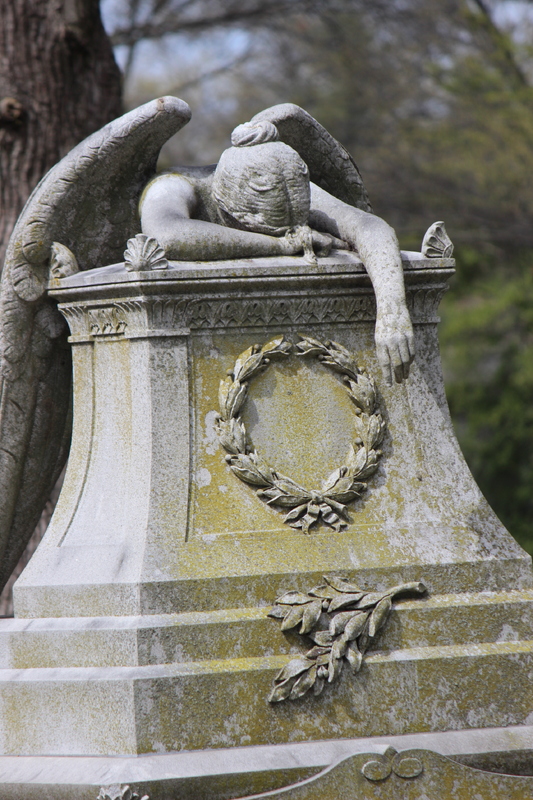
A collection of items relating to a historical overview of St. Louis cemeteries; changing burial practices in St. Louis; the role of endowment and ownership in the success of a cemetery; the role of landscape and tombstone iconography in cemetery success; and the role of preservation when we talk about progress.